
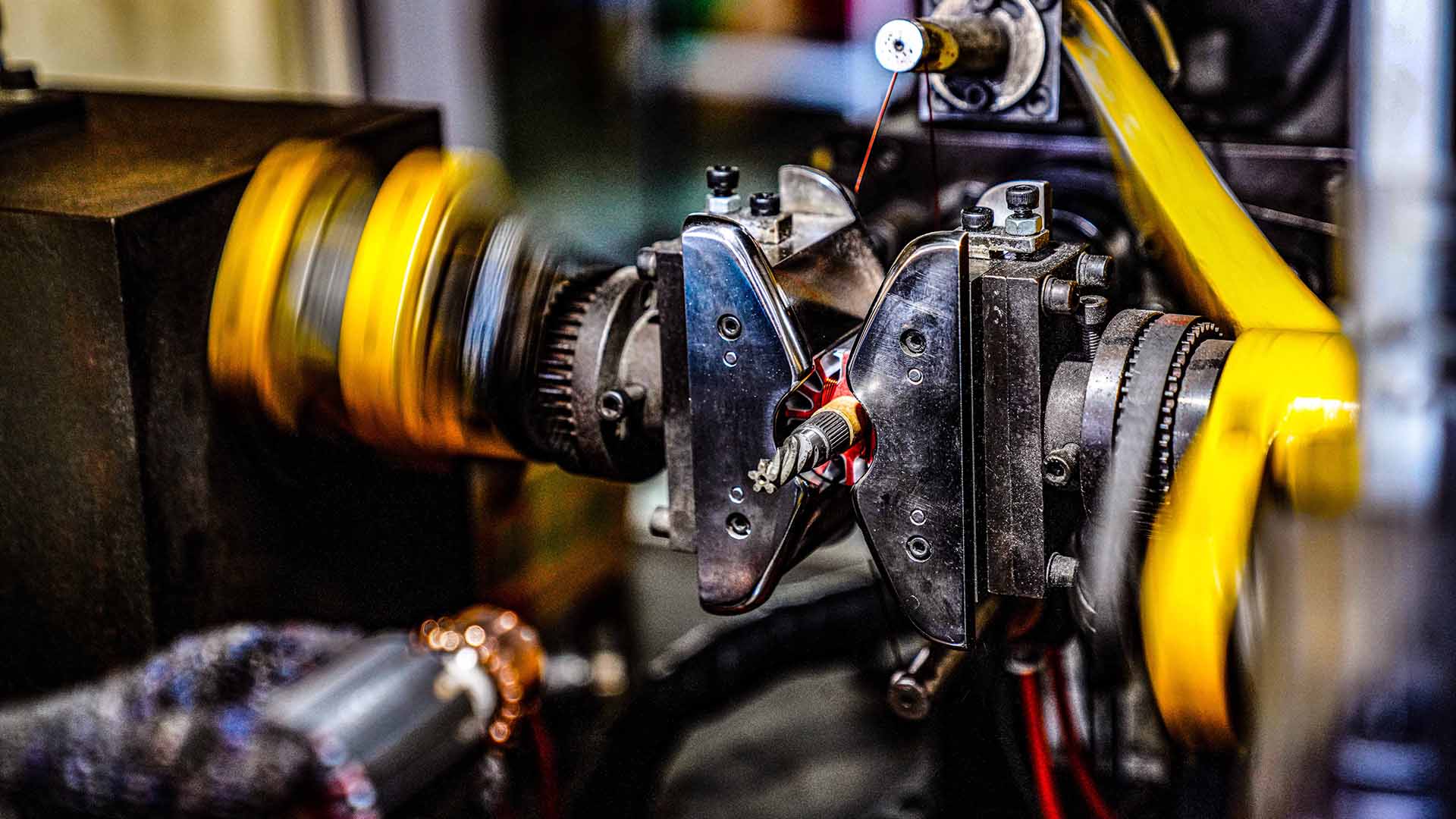
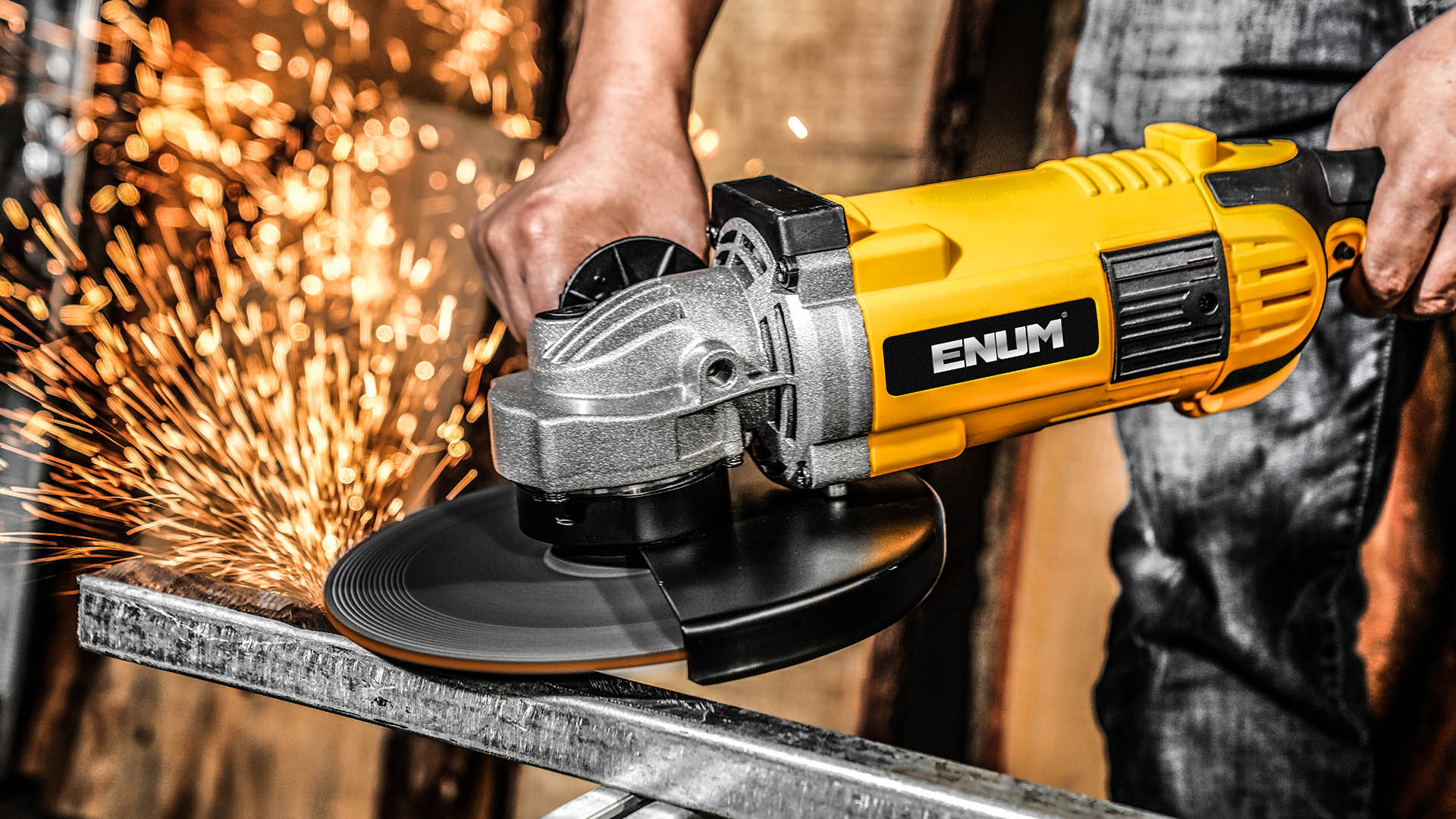
When it comes to power tools, the materials used in their construction often get overlooked, but they are crucial in determining how well the tool performs. The angle grinder, one of the most versatile and widely used power tools in both professional and home settings, is no exception. Whether you are cutting, grinding, or polishing, the material composition of an angle grinder directly affects its efficiency, durability, safety, and overall performance.
1. Steel: The Core of Durability and Precision
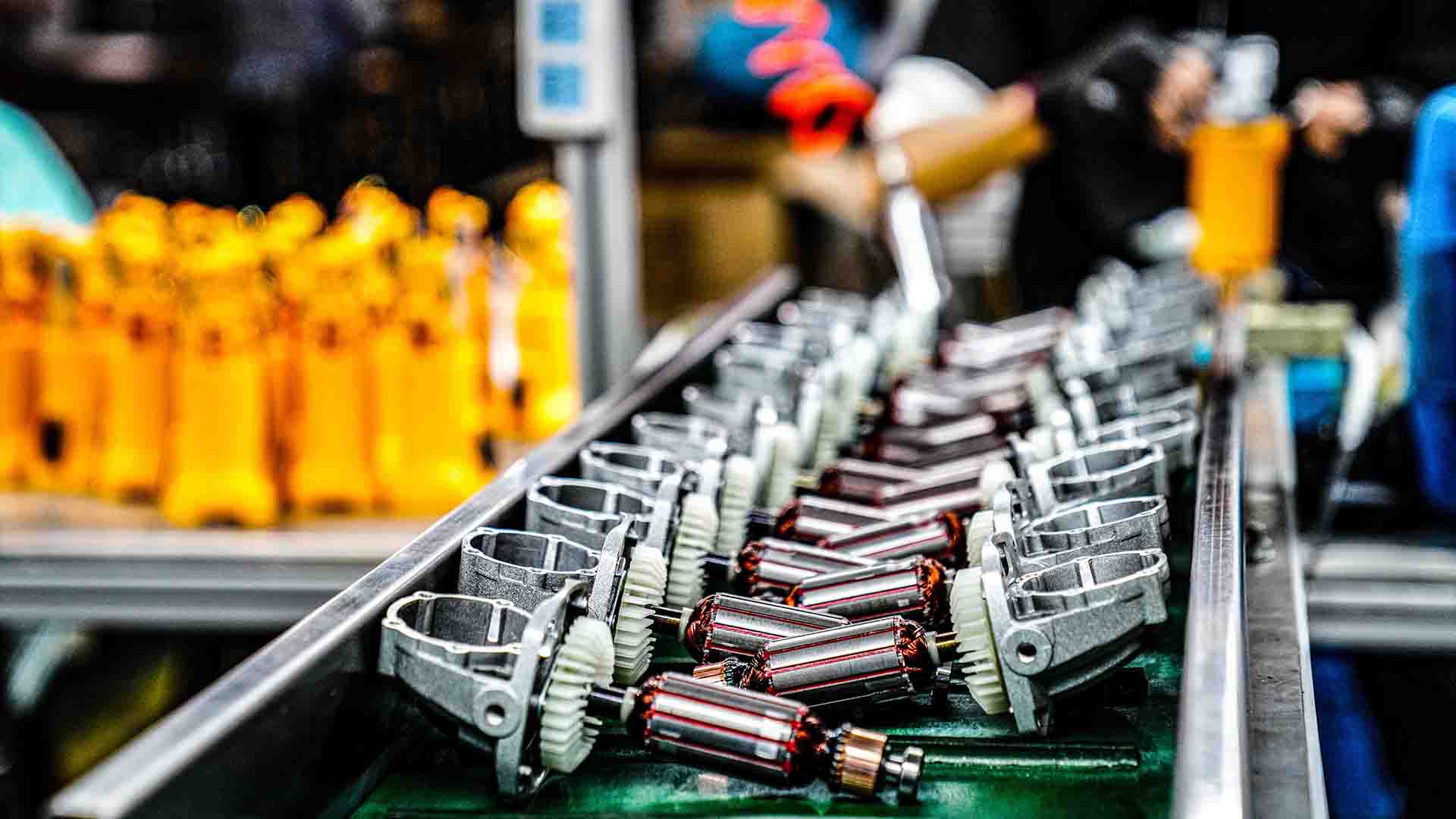
Steel is a vital material in the construction of an angle grinder, especially when it comes to the internal components. Most high-quality angle grinders use steel for the gears, shafts, and motor components. The reason is simple—steel provides the necessary strength and durability to withstand high-stress conditions.
For example, in the case of the gearbox of an angle grinder, the gears must handle significant torque during operation. Steel’s resistance to wear and its ability to retain its shape under stress make it the ideal material for this high-intensity part. Without steel in the gearbox, you risk frequent breakdowns or decreased efficiency, leading to costly repairs and decreased tool longevity.
In addition to gears, motor shafts and spindles are also made from steel. These components are subjected to rotational forces, friction, and heat, all of which steel is well-equipped to handle. This ensures that the motor continues to function smoothly even under the most demanding conditions.
2. Aluminum Alloy: Lightweight Strength for User Comfort
While steel is essential for internal components, aluminum alloy plays a key role in the external casing of angle grinders. The main advantage of aluminum alloy is its lightweight yet durable nature, which significantly impacts user comfort.
An angle grinder can be heavy, especially when it’s used for extended periods. Using aluminum alloy for the outer casing reduces the overall weight of the tool, making it easier to maneuver. This is crucial for users who need to perform intricate grinding tasks or work in tight spaces where control is paramount.
Moreover, aluminum alloys are also corrosion-resistant, which is important for tools that are often exposed to dust, water, and abrasive materials. The ability to resist rust and corrosion not only extends the life of the tool but also keeps it looking new even after years of use.
3. High-Impact Plastic: Ensuring Safety and Reducing Vibration
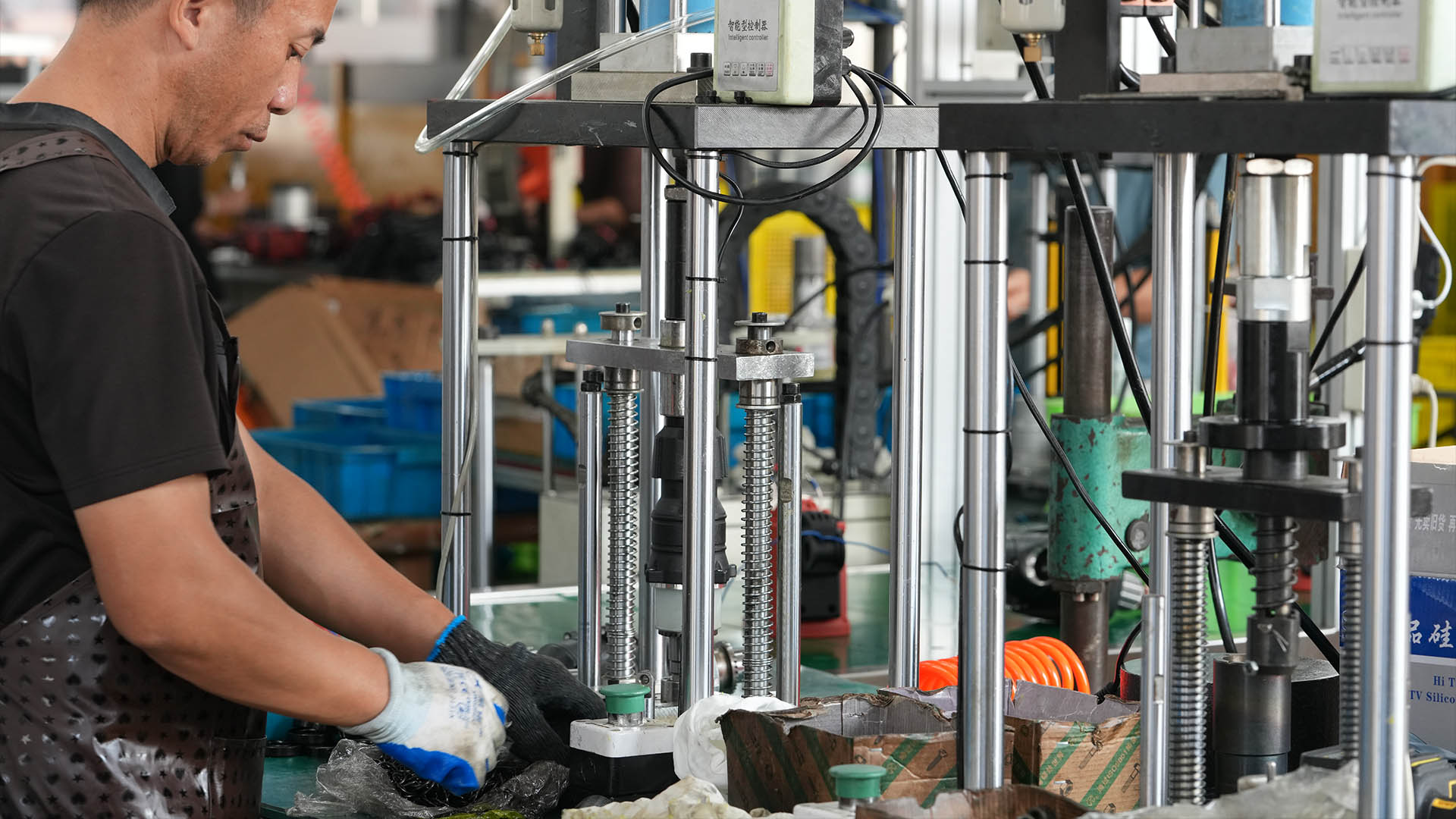
The housing and handles of many angle grinders are made from high-impact plastics or composite materials. These materials are chosen for their ability to absorb shock and reduce vibration, two critical factors that directly impact the safety and comfort of the user.
When using a powerful tool like an angle grinder, excessive vibration can cause discomfort, hand fatigue, and even long-term injuries such as vibration white finger. By using high-impact plastic for the handle, manufacturers are able to provide vibration-dampening properties, which help reduce strain on the user’s hands, wrists, and arms. This makes prolonged use much more comfortable and safer.
Additionally, the plastic housing provides insulation, preventing electrical shocks in case of a malfunction. This is a vital safety feature that protects the user from potential hazards while operating the tool.
4. Sustainability: The Shift Toward Eco-Friendly Materials
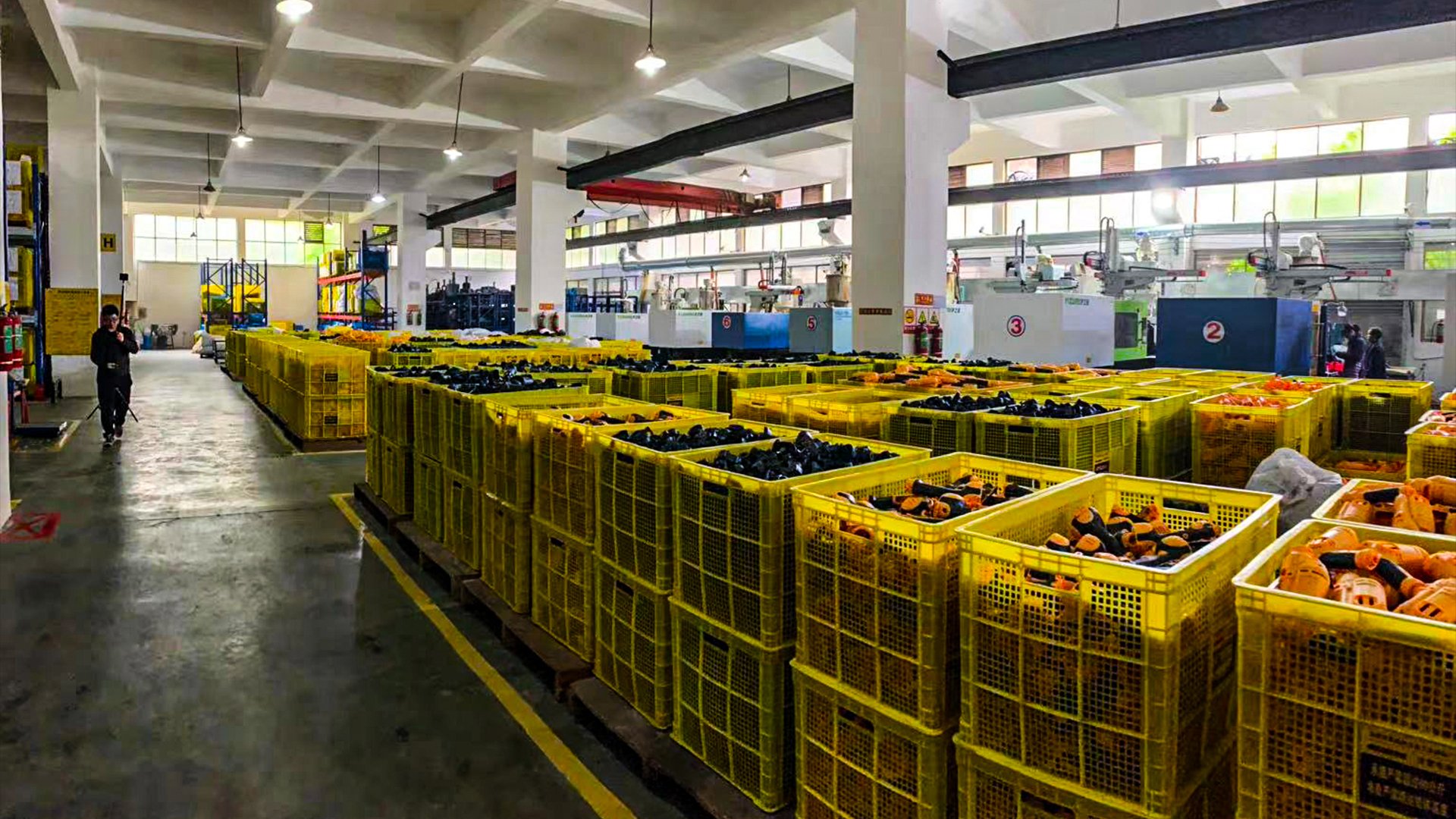
As sustainability becomes more of a priority for consumers and manufacturers alike, many companies are looking for ways to reduce their environmental footprint. In the case of angle grinders, this has led to the adoption of recyclable materials and environmentally friendly production methods.
For example, some angle grinder manufacturers are now using recycled aluminum for the casing, as it is just as durable as newly mined aluminum but has a significantly lower environmental impact. Similarly, many are using low-carbon manufacturing processes to reduce emissions and waste during production.
Conclusion: The Right Materials Make All the Difference
Choosing the right materials for an angle grinder is more than just about making the tool work. It’s about ensuring that it performs well, lasts longer, and is safe and comfortable to use. The combination of steel, aluminum alloy, and high-impact plastics gives angle grinders the perfect balance of strength, durability, comfort, and safety, allowing users to complete their tasks efficiently and safely.
As an expert in electric tool manufacturing, we understand how each material plays a crucial role in maximizing the tool’s potential. Whether you’re using your angle grinder for industrial applications or DIY projects at home, choosing a tool with the right material composition ensures that you get the most out of your investment.
The next time you reach for your angle grinder, take a moment to appreciate the materials that make it possible to work efficiently and safely. The right combination of steel, aluminum alloy, and high-impact plastic can make all the difference in how well the tool performs and how long it lasts. And as we continue to focus on sustainability, it’s clear that the materials we choose not only affect the tool’s performance but also its impact on the environment.
Choosing the right materials is a fundamental aspect of tool manufacturing that ultimately determines the performance and user experience. So, whether you’re a professional in need of reliable, heavy-duty tools or a DIY enthusiast, selecting tools made with high-quality materials will ensure that your projects are completed with ease and precision.