
When you pick up an electric tool—whether it’s a drill, a grinder, or a chainsaw—have you ever thought about the material it’s made from? While many of us focus on power, size, and price, the materials used in these tools play a crucial role in their performance, longevity, and safety. In fact, the right material can make all the difference in how well the tool works and how long it lasts. Let’s take a closer look at how the choice of materials impacts your electric tools and why choosing the right one is essential for getting the best performance out of your everyday tasks.
1. Steel, Aluminum Alloy, and Plastic: The Good, the Bad, and the Essential
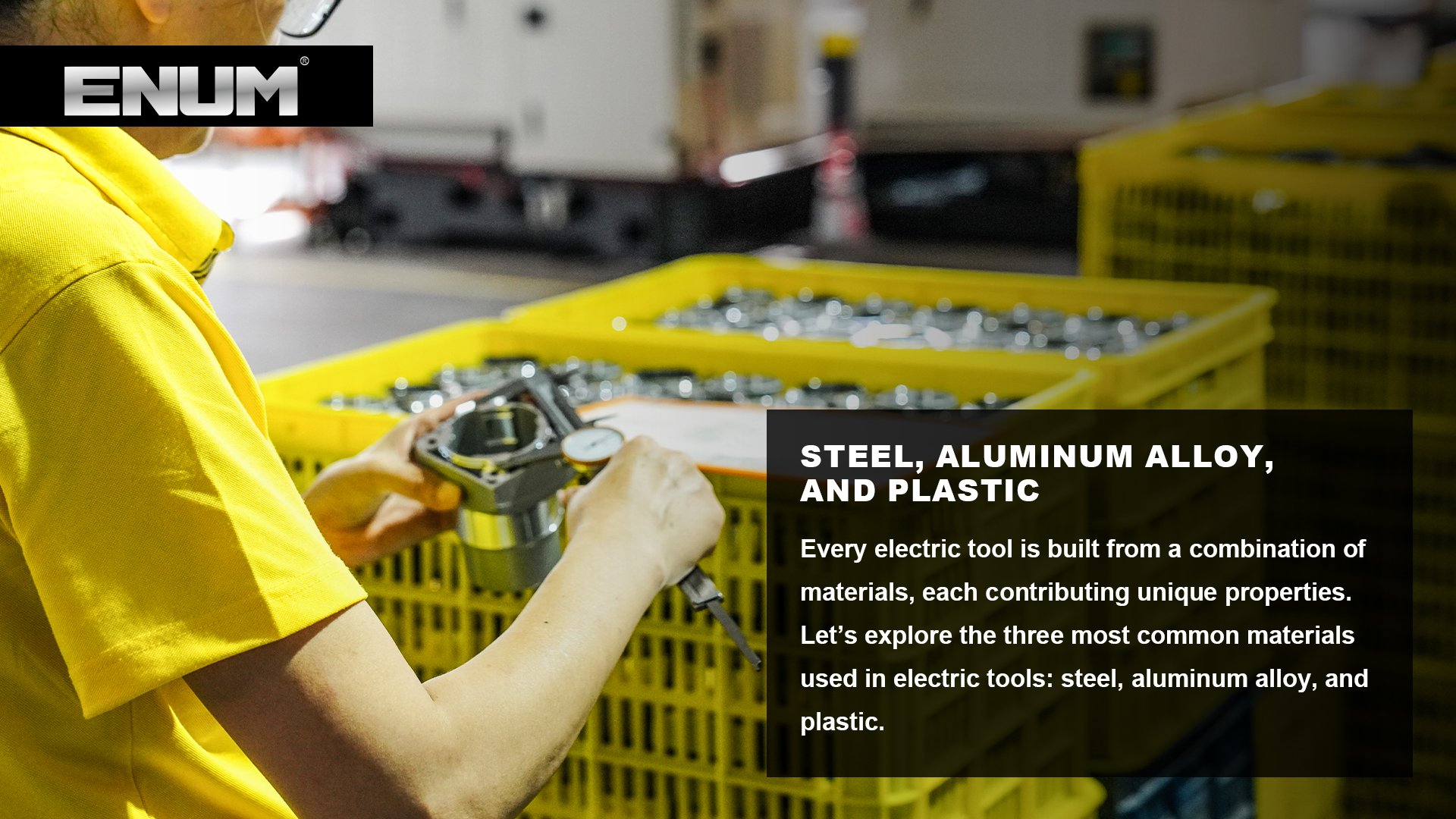
Every electric tool is built from a combination of materials, each contributing unique properties. Let’s explore the three most common materials used in electric tools: steel, aluminum alloy, and plastic.
Steel – The Backbone of Durability and Strength
Steel is often the material of choice for parts that need to withstand heavy use. For example, electric drills feature steel drill bits made from high-carbon steel or high-speed steel (HSS). These materials are known for their hardness, which allows the drill bits to maintain their sharpness and penetrate tough surfaces like wood, metal, and even stone.
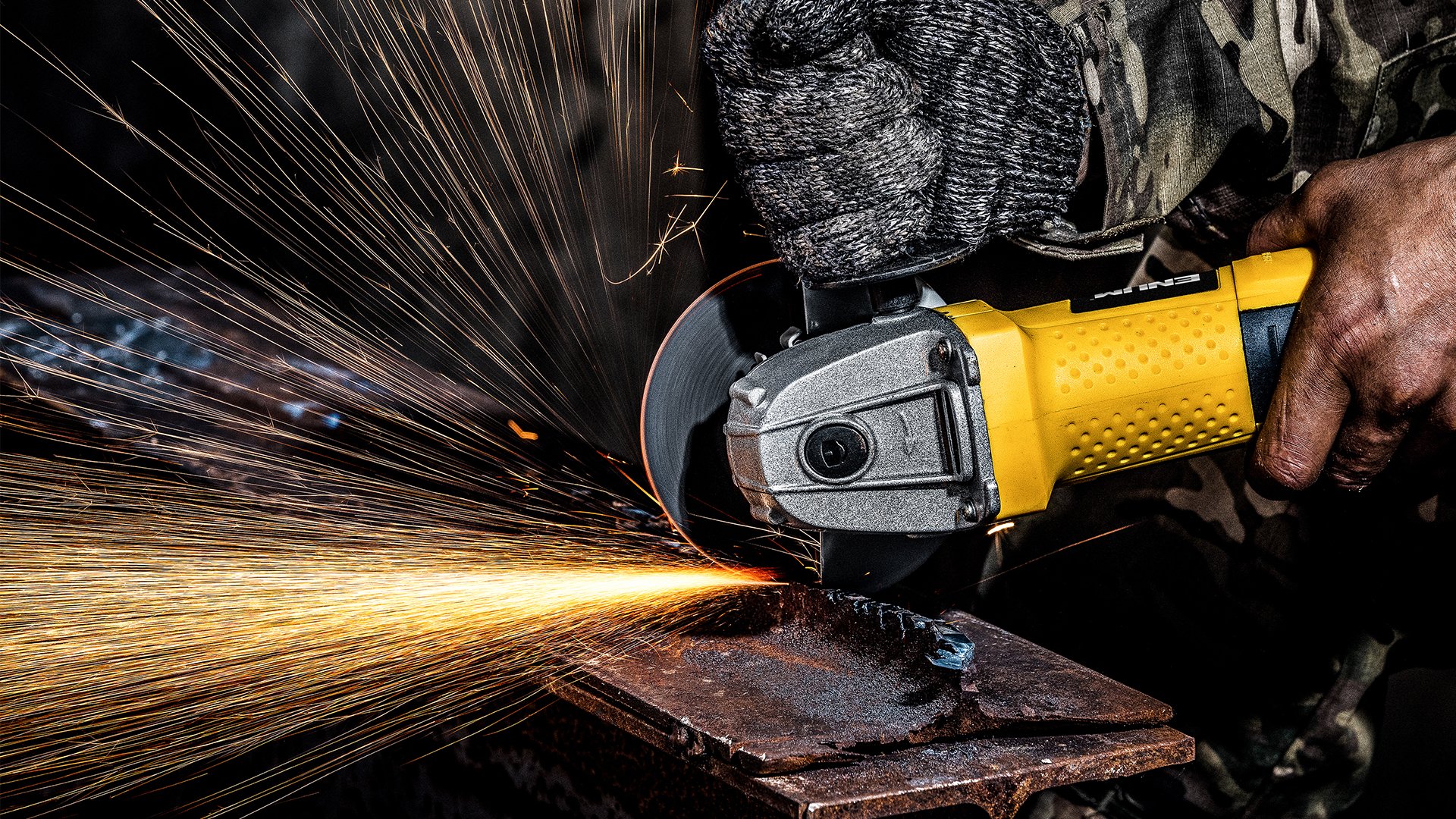
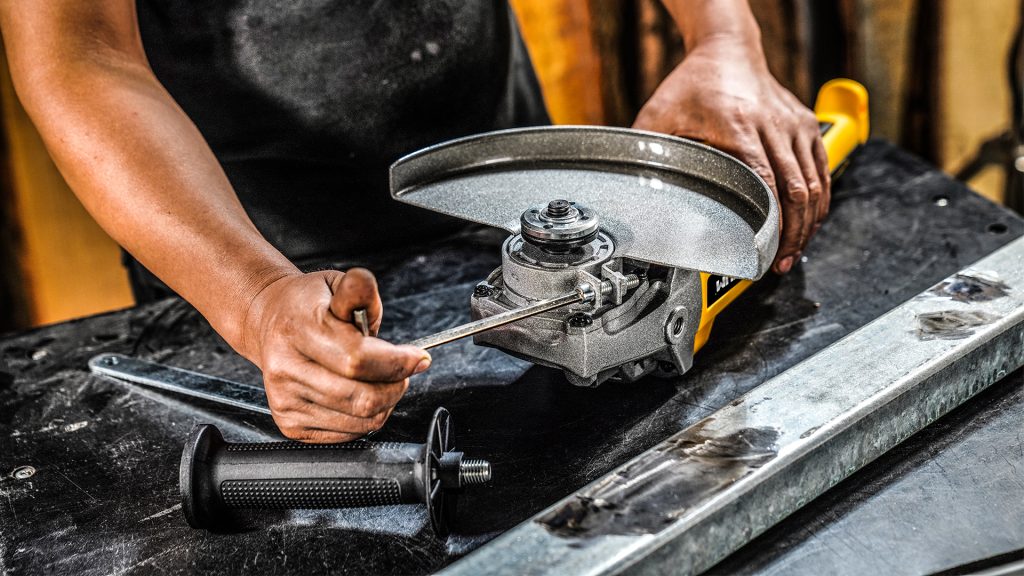
For angle grinders, steel is also essential in the gearboxes and some internal components. The robust nature of steel ensures that these parts can handle the high-speed rotation required for tough tasks like grinding and polishing. Moreover, steel’s durability reduces the wear and tear that often results from extended use.
Aluminum Alloy – Lightweight and Strong
On the other hand, aluminum alloys are favored for their lightweight yet durable properties. Tools that require easy handling and long periods of use, like cordless screwdrivers, benefit from aluminum alloy casings. The lighter material reduces fatigue during repetitive tasks, such as screwing in multiple fasteners, while still maintaining the strength needed to protect internal components.
Another great example is the chainsaw. These tools rely on aluminum alloy for their housing because it helps reduce the weight of the tool without sacrificing strength. This makes them easier to handle, especially for long durations, while still ensuring that they can handle the high force generated during cutting.
Plastic – The Versatile and Practical Option
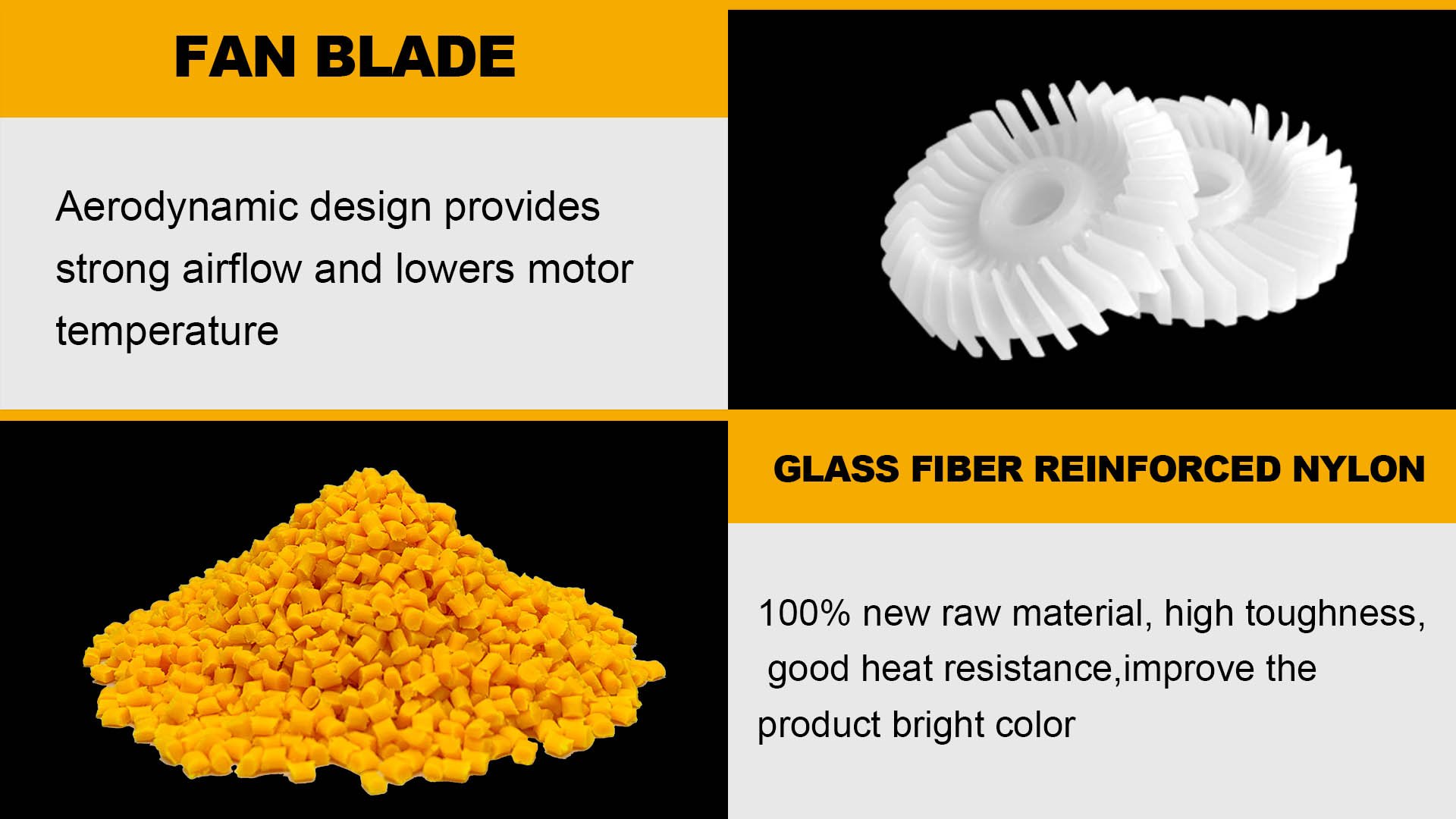
Plastic, especially high-strength and impact-resistant plastics, is commonly used for outer casings of tools. Orbital sanders, for example, use aluminum alloy for their inner mechanisms but often feature plastic exteriors. This provides a balance between light weight and sufficient durability. The use of plastic also lowers manufacturing costs, which can make tools more affordable for home users.
For hammer drills, plastic or composite materials are used in the outer casing to protect sensitive inner electronics and gears. These tools are often subjected to extreme conditions, such as heavy vibrations and exposure to dust and debris. The plastic housing not only keeps the tool lightweight but also acts as a shock absorber, protecting the internal components from damage.
2. Durability and Performance: How Materials Influence Longevity
Durability is arguably the most important factor when choosing electric tools—after all, nobody wants their tool to break halfway through a project. The material choice directly impacts how long a tool will last under daily use.
For cordless screwdrivers, materials like aluminum alloy are often used for the casing. The strength of aluminum ensures that the casing can withstand drops or impacts without cracking. Meanwhile, steel is used for the internal components that bear the brunt of the heavy work, like the motor gears and drive shafts. This combination gives you the perfect balance of lightweight handling and long-lasting durability.
In electric chainsaws, materials like high-carbon steel for the chain and sprockets offer excellent resistance to wear and corrosion, meaning your saw can continue cutting cleanly even after extensive use. Aluminum alloy housing further extends the lifespan by protecting the more sensitive internal mechanisms from external damage while keeping the saw lightweight.
3. Safety and Comfort: How Materials Impact User Experience
Electric tools are only as good as their user experience. It’s important to consider how materials affect the comfort, safety, and ease of use when operating a tool.
Take, for example, the electric sander. The housing is often made from lightweight materials like plastic and aluminum alloy, which makes the sander easy to hold for long periods without tiring the hands. Additionally, plastic is resistant to rust, ensuring that even if the tool gets wet or is exposed to certain chemicals, it remains in good working order.
For hammer drills, safety is paramount. The use of durable plastic or composite materials in the casing absorbs much of the vibration from the tool, reducing the strain on the user’s hands and wrists. Without this cushioning, the vibration from these heavy-duty tools could lead to user fatigue or even injury. The plastic casing also serves as an insulator, reducing the risk of electrical shock in the event of a malfunction.
4. Eco-Friendly Materials: The Importance of Sustainability
As we become more environmentally conscious, choosing eco-friendly materials for electric tools is becoming increasingly important. Fortunately, many manufacturers are opting for sustainable and recyclable materials in their products.
Take electric lawn mowers, for instance. Many of these tools now use recyclable plastics and low-carbon battery materials to minimize their environmental impact. Not only does this help reduce the carbon footprint, but it also ensures that the tools are more easily recyclable at the end of their life cycle, making them an eco-friendly choice for conscious consumers.
In addition to plastic, companies are also exploring more sustainable methods of production and materials that are less harmful to the environment. For example, battery-powered tools are now using lithium-ion batteries, which are more efficient and longer-lasting than older models, reducing the need for frequent battery replacements and ultimately cutting down on waste.
Conclusion: The Right Material Makes All the Difference
When it comes to electric tools, materials matter. The right choice of steel, aluminum alloy, or plastic can drastically affect the tool’s performance, durability, safety, and even its environmental footprint. As a professional in the field of electric tool manufacturing, we understand how crucial it is to select the best materials for every type of tool—whether it’s for heavy-duty industrial use or light home projects. By considering the properties of each material and how they impact your work, you can make an informed decision and ensure that your tools will serve you well for years to come.
So, next time you pick up a power tool, take a moment to appreciate the materials that make it all possible—and remember, choosing the right material can help you get the job done more efficiently, safely, and sustainably.